
Why Your Treadmill Needs Regular Belt Lubrication
Overview
A treadmill may look ready to use every time you step on it, but the belt and deck need regular care. Lubrication between the running belt and deck helps reduce friction during each session. With a simple maintenance routine, you can keep your treadmill moving smoothly and support its long-term performance.
This guide explains why treadmill lubrication matters, what signs suggest your machine may need attention, and how to build a maintenance schedule that fits your weekly workout routine.
What Is Treadmill Belt Lubrication?
Treadmill belt lubrication is applied between the underside of the running belt and the deck below it. The purpose is to reduce dry contact between these two surfaces as the belt moves under your feet.
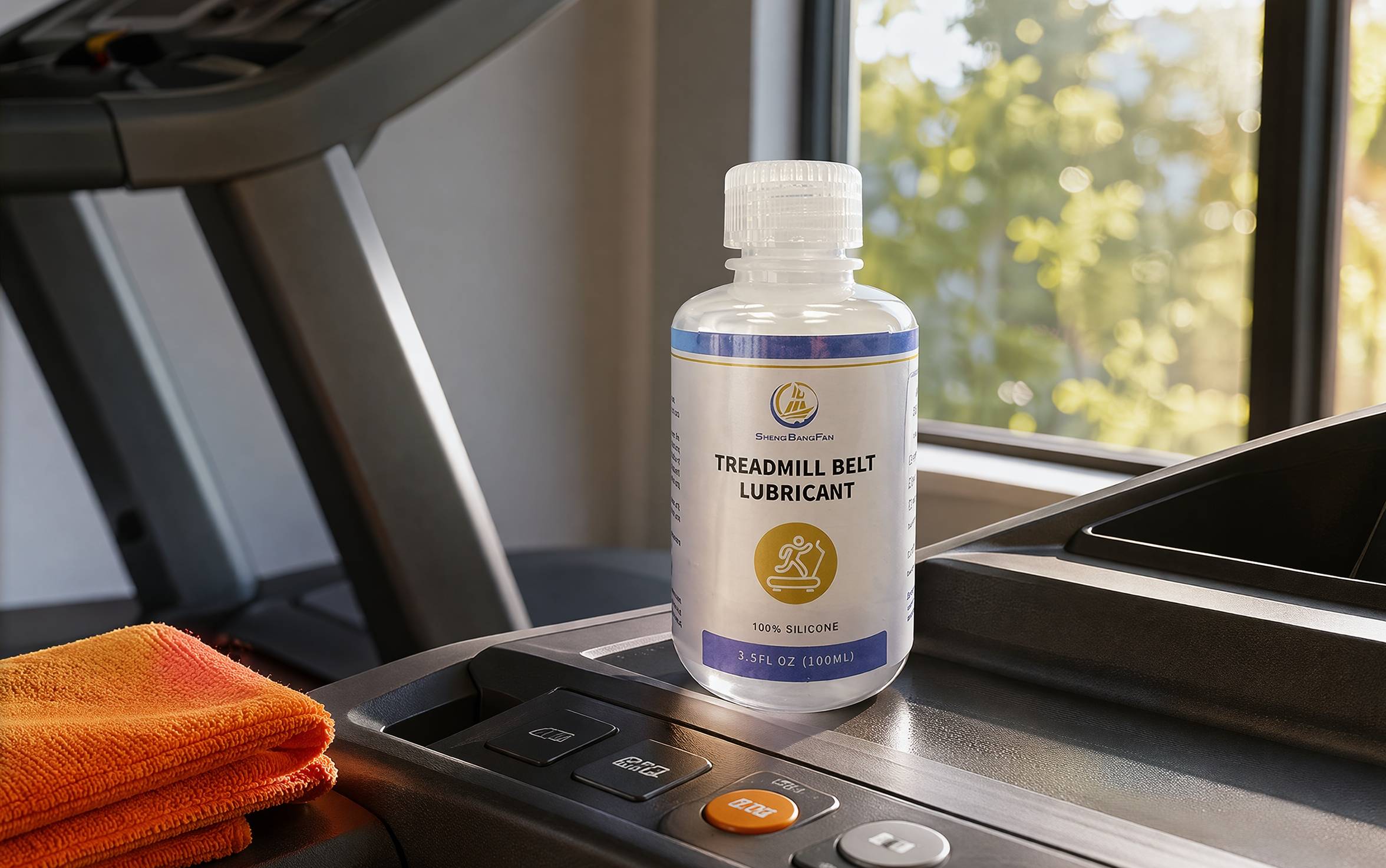
Most home treadmills use a silicone-based treadmill lubricant when owner lubrication is required. A dedicated treadmill silicone oil is designed for the belt and deck area, rather than for general household machinery.
Always check your treadmill manual first. Some machines are pre-lubricated, wax-treated, factory-sealed, or use a proprietary lubrication system. If the manufacturer says not to apply oil, do not add lubricant on your own.
Why Lubrication Matters
1. Helps Reduce Friction
When the belt runs dry, friction between the belt and deck can increase. This may make the belt feel stiff, noisy, or less smooth during walking and running.
Regular lubrication creates a low-friction layer that supports easier belt movement. It does not remove the need for cleaning, belt tension checks, or professional service when a problem appears.
2. Supports Quieter, More Consistent Workouts
A dry belt may produce squeaking, rubbing, or unusual sounds during use. While not every noise comes from lack of lubrication, friction-related sounds are worth checking.
If your treadmill sounds different than usual, stop the machine, disconnect power, inspect the belt and deck, and follow the manufacturer’s maintenance instructions.
3. Helps Protect the Belt, Deck, and Motor From Extra Load
Higher friction can place extra demand on the treadmill system. By maintaining a proper lubrication layer, you reduce unnecessary resistance between moving parts.
This does not mean lubrication can prevent every mechanical issue. Belt wear, deck damage, motor problems, loose bolts, and belt drift should still be checked according to your owner’s manual.
4. Makes Maintenance Part of Your Fitness Routine
Many people maintain their running shoes, water bottles, and workout clothes, but forget the treadmill itself. A short monthly or quarterly check can help you notice dryness, dust, belt movement, or unusual wear before it becomes a larger problem.
Common Signs Your Treadmill May Need Inspection
Watch for these signals:
- Squeaking or rubbing sounds while the belt moves
- The belt feels stiff or rough during operation
- Resistance feels higher than usual
- Visible dust or dirt under the belt
- The belt slips, drifts, or rubs against side rails
- You have forgotten the last time the machine was inspected
Some of these signs may be caused by loose parts, incorrect tension, worn surfaces, or mechanical issues. If lubrication does not address the problem, contact the manufacturer or a qualified technician.
How Often Should You Lubricate a Treadmill?
The safest answer is: follow the interval stated in your treadmill manual.
As a general reference, many home treadmill schedules fall into these patterns:
| Usage level | Typical check/maintenance reference |
|---|---|
| Light use, occasional walking | Check every 5–6 months; follow manual interval |
| Regular home use, 3–4 sessions per week | Check around every 3 months |
| Daily running, multiple users, heavy use | Check more often, such as every 2 months |
Usage hours, mileage, climate, belt type, and machine model can all affect the interval. Do not rely only on calendar time if the manual gives mileage or operating-hour guidance.
Simple Home Maintenance Habits
Between lubrication sessions:
- Wipe the belt and side rails after sweaty workouts
- Vacuum dust around the motor area and floor
- Keep dirt away from the gap under the belt
- Check belt tension and alignment according to the manual
- Listen for new or changing noises
- Store maintenance dates in your phone calendar
Final Takeaway
Regular treadmill lubrication is a basic part of home fitness equipment care. It helps reduce friction, supports smoother operation, and encourages earlier detection of maintenance issues.
Before using any lubricant, confirm that your treadmill model allows owner lubrication and use the product type recommended by the manufacturer. A clean machine, correct lubrication, and timely inspection can help your treadmill stay ready for your next walk, jog, or run.
Related product: [SHENGBANGFAN] treadmill belt lubricant, designed for home treadmill belt and deck maintenance.
Our treadmill silicone oil is also available on Amazon: https://www.amazon.com/dp/YOUR_ASIN